
Boujee Paw Persians is a PKD-1 and PRA free Cattery. We DNA test each of our breeding Persians for these devastating diseases.
Persian cats are one of the breeds known to suffer from PKD1 (polycystic kidney disease). PKD1 is an inherited disease primarily found in Persian cats, related breeds and cats with Persian ancestry.
When a cat has PKD1, multiple cysts develop in both kidneys sometimes leading to chronic kidney insufficiency or failure. Problems occur when these cysts start to grow and progressively enlarge the kidney reducing the kidney's ability to function properly. Some of the signs of kidney insufficiency are increased thirst, increased urination, decreased appetite, weight loss, vomiting, and lethargy. Cats affected by kidney insufficiency due to PKD1 are usually identified when they are between three and ten years of age. PKD1 can be diagnosed by ultrasound of the kidneys, however, this test is only as good as the day it is done, cysts can develop later. Therefore, the ONLY reliable test for PKD1 is a DNA test Persian cats and cats with Persian ancestry.
Cats with N/N genoytpe will not have this heritable form of polycystic kidney disease and cannot transmit this PKD1 variant to their offspring.
Cats with N/P genotype will be affected by this heritable form of polycystic kidney disease, though severity of symptoms cannot be predicted. They will transmit this PKD1 variant to 50% of their offspring, and those offspring will inherit this polycystic kidney disease.
Cats with P/P genotype are suspected to be lethal and therefore are unlikely to be born and/or survive.
PRA in Persians (Progressive Retinal Atrophy) is a severe, inherited genetic eye disease causing rapid vision loss and blindness, starting in kittens around 2-3 weeks old, with a specific mutation in theAIPL1gene leading to photoreceptor degeneration by 16 weeks, though cats adapt well with stable environments. While there's no cure, genetic testing identifies carriers, and supportive care, like maintaining consistent environments and using scented clues, helps affected cats live comfortably.
Key Signs in Kittens:
Reduced pupillary light reflexes (pupils don't react well to light) as early as 2-3 weeks.
Increased eye shine (tapetal reflection).
Uncoordinated eye movements.
Behavioral signs like bumping into things or reluctance to move in dim light.
Boujee Paw Persians DNA tests with Wisdom Panel. Below you will see the results of all of our Kings and Queens.
-
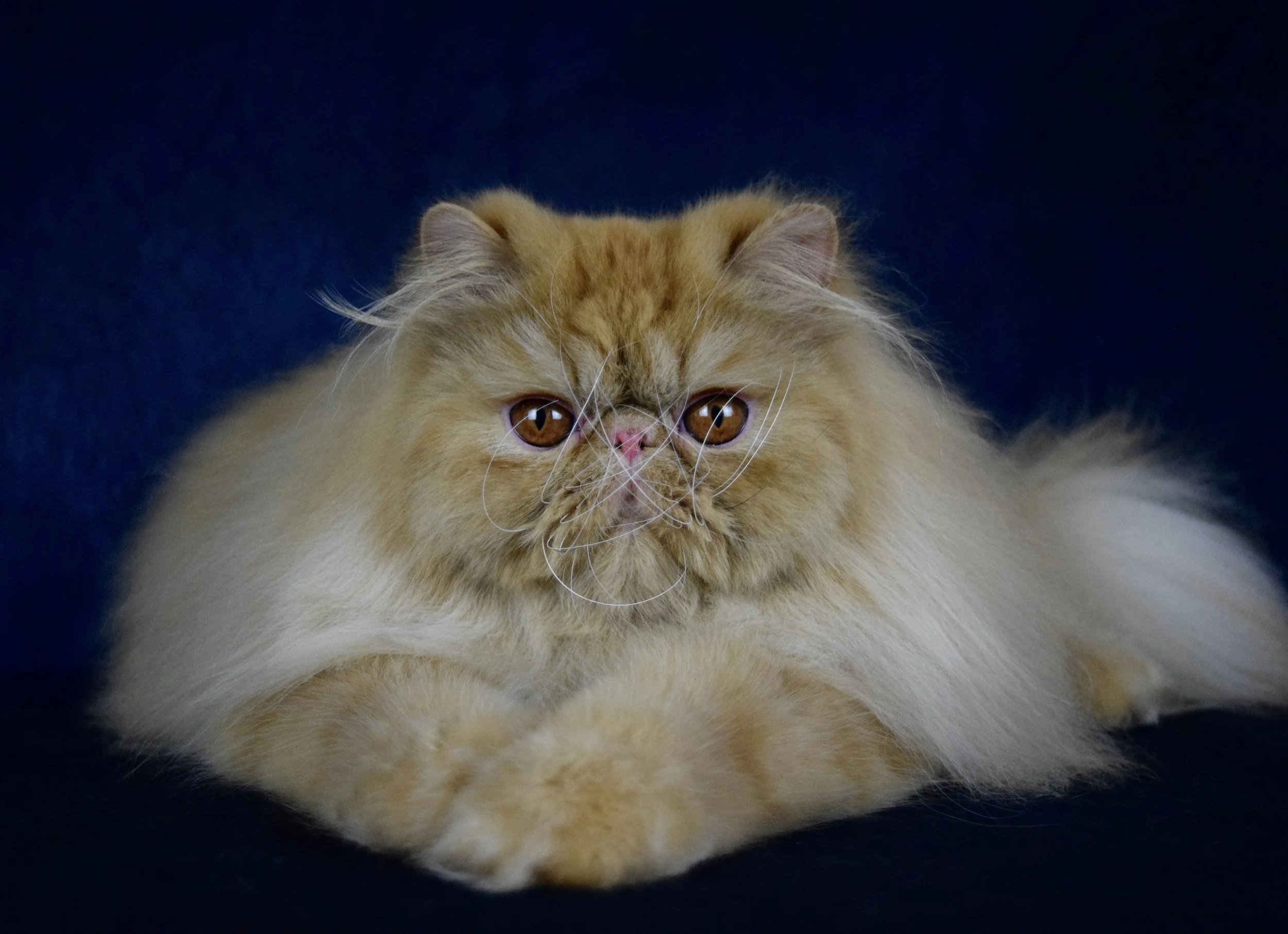
GC BOUJEE PAW MICHAEL MEOWERS
-
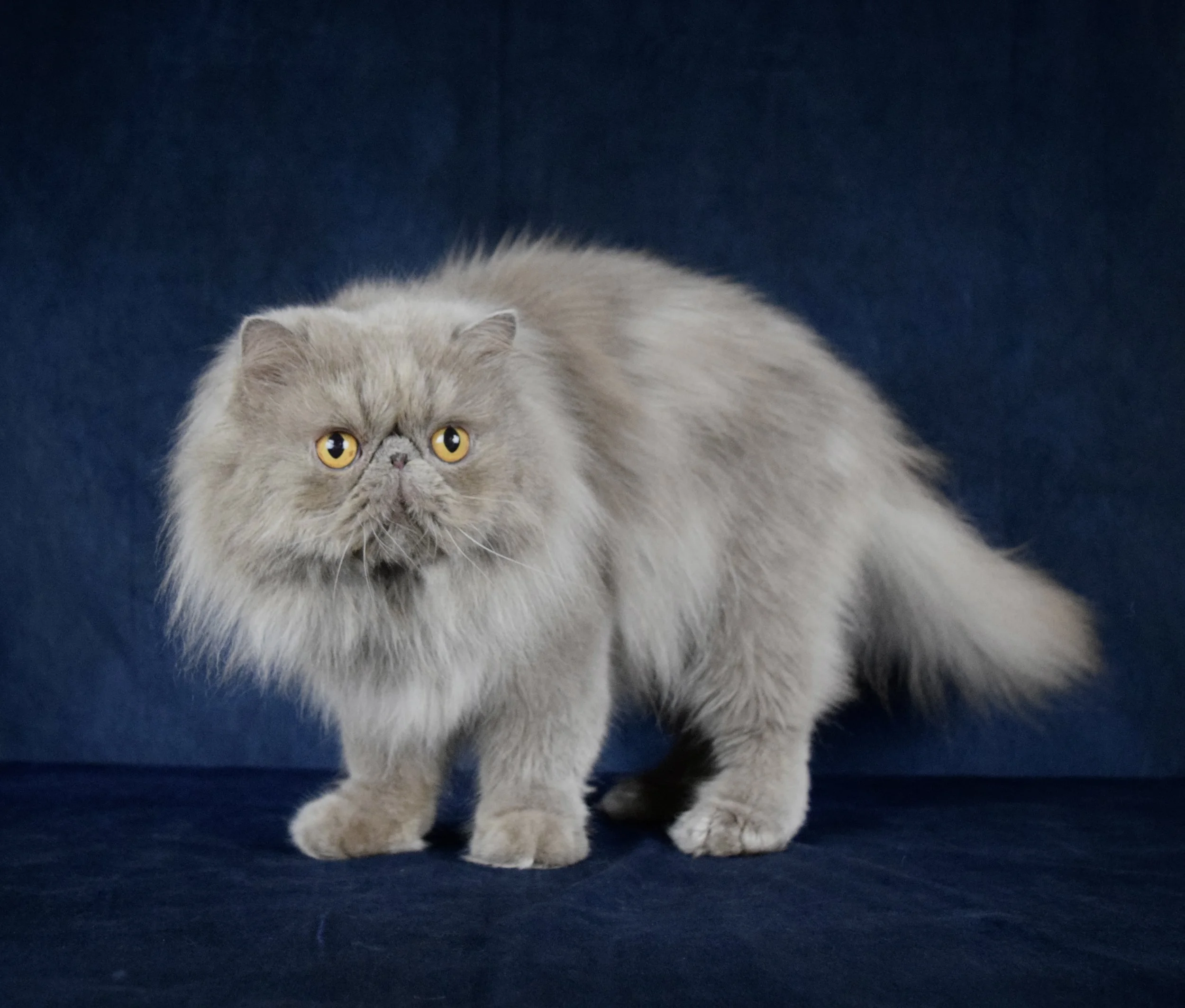
CH PATSQUATS STOLICHNAYA
-
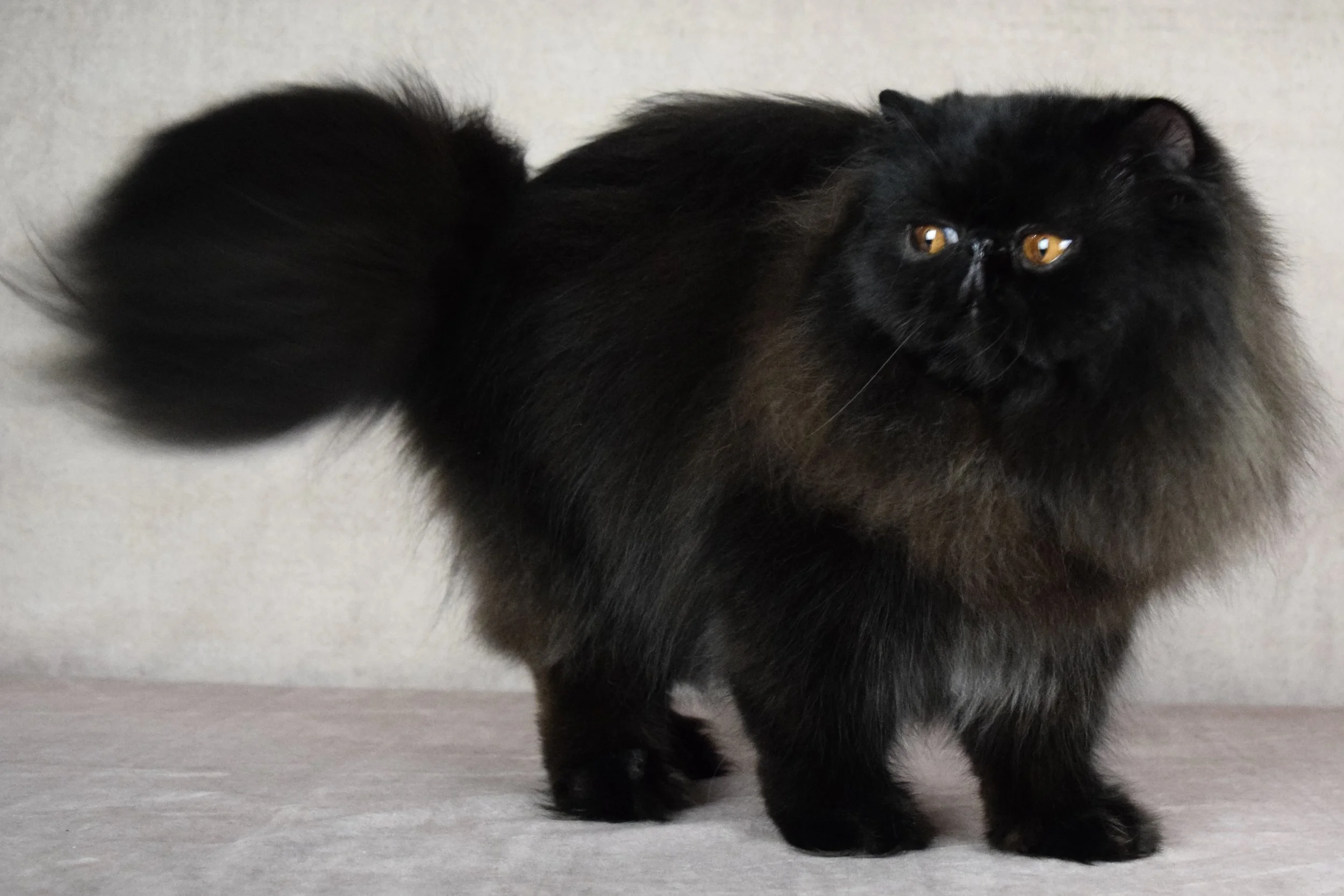
GC, RW I-CATCHERS OZZY OF BOUJEE PAW
-
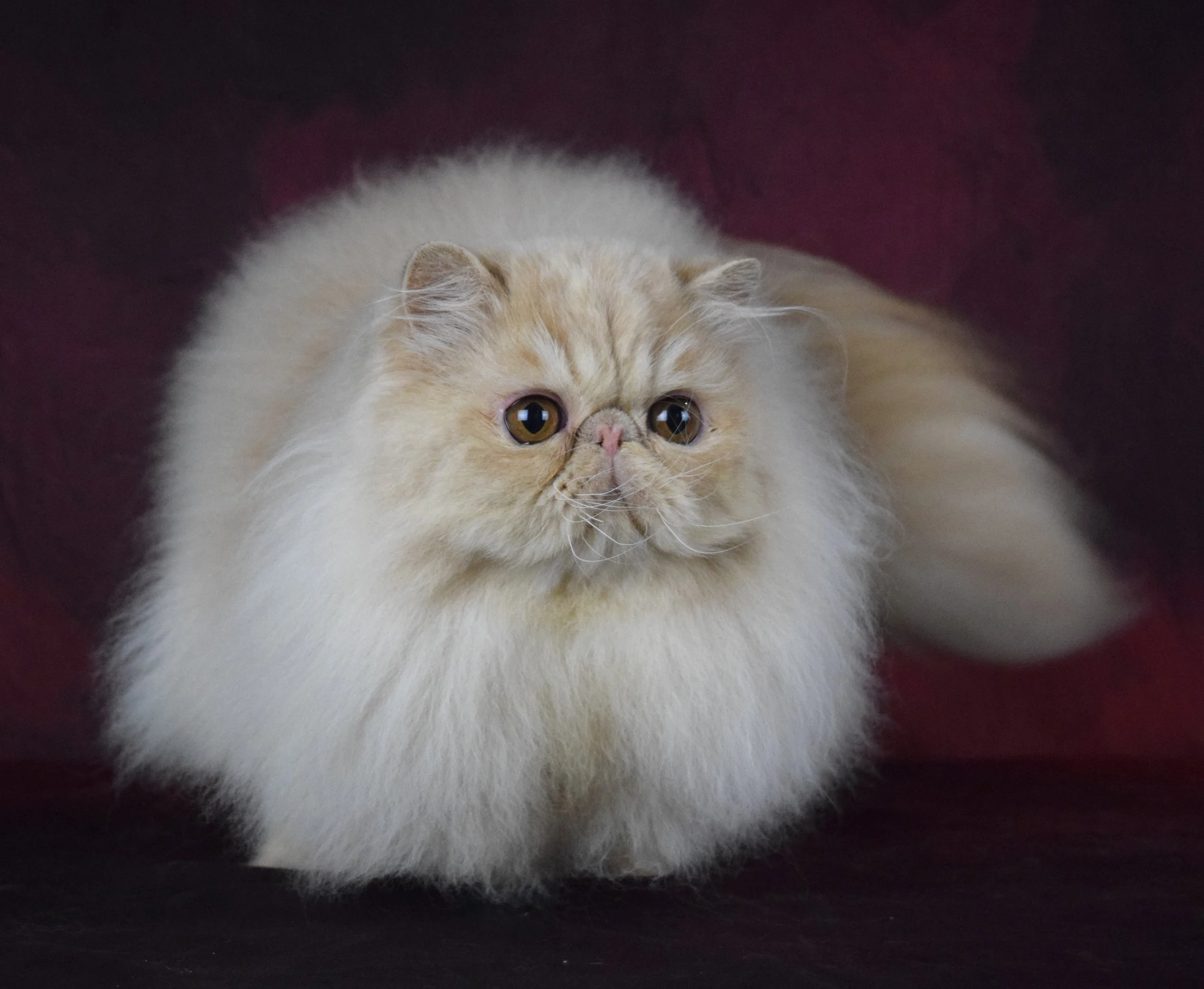
CH, RW MEOW MY TILLAMOOK OF BOUJEE PAW
-
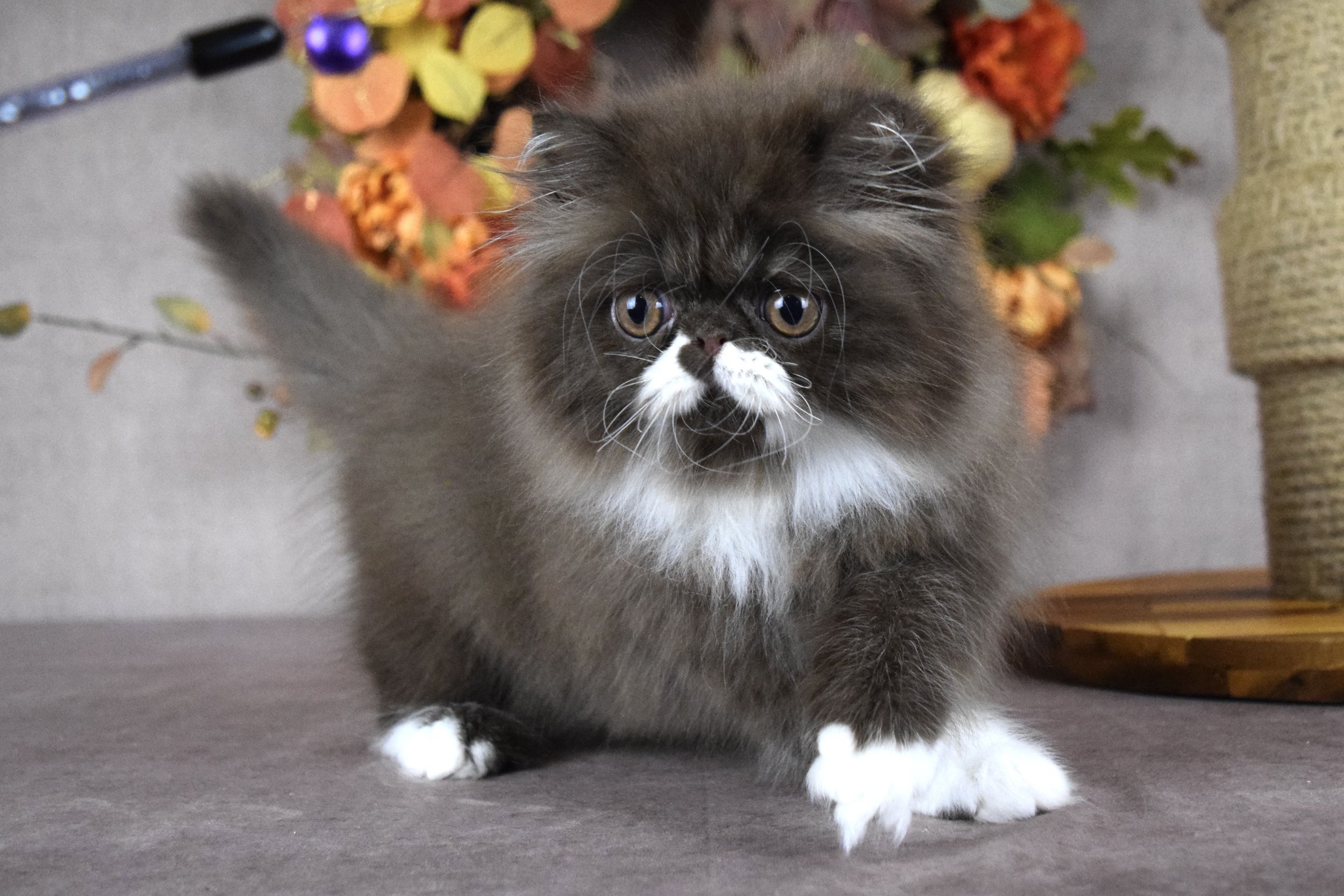
BOUJEE PAW WORTH EVERY PENNY
-
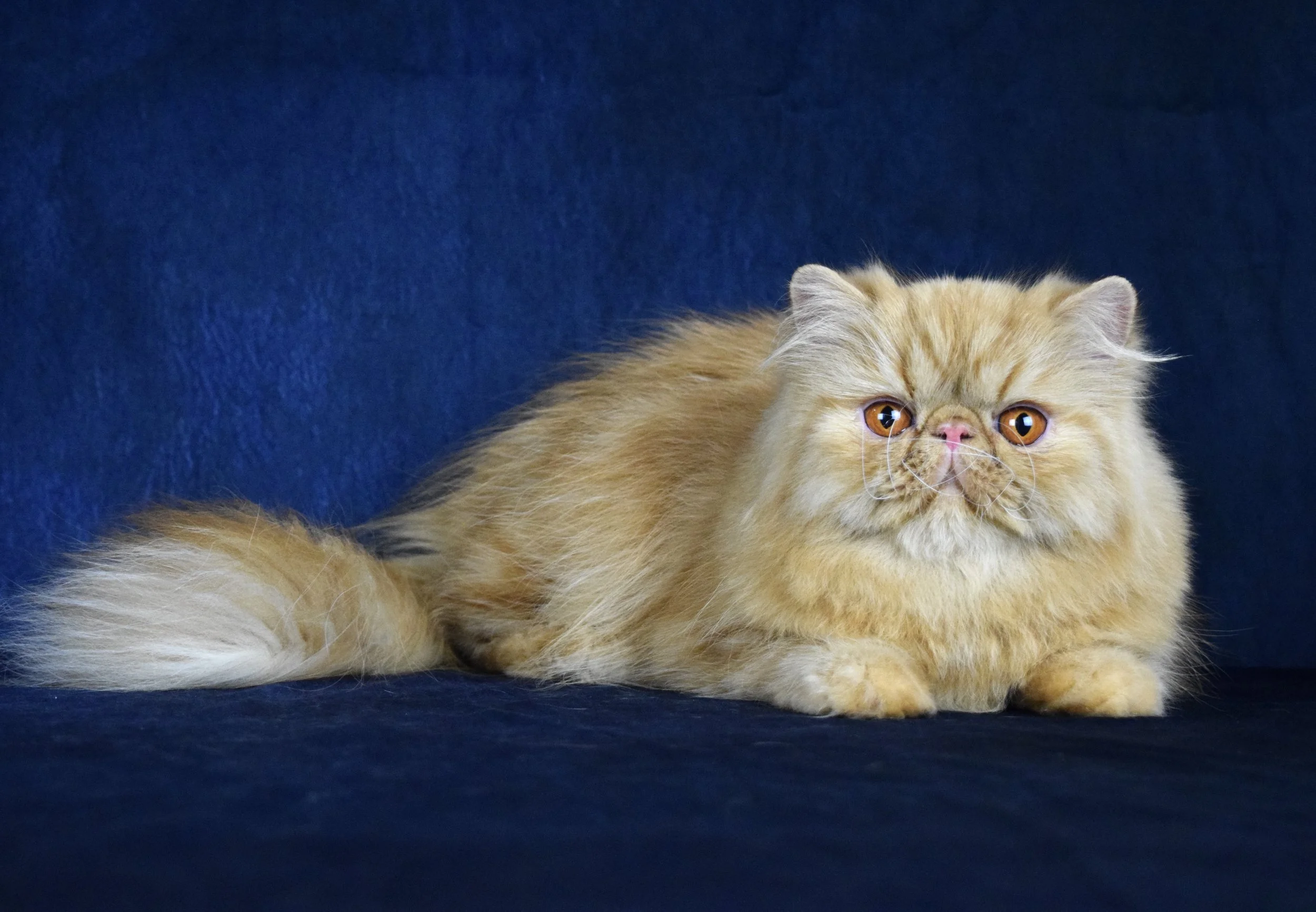
DI-SARONNO NUTMEG OF BOUJEE PAW
-
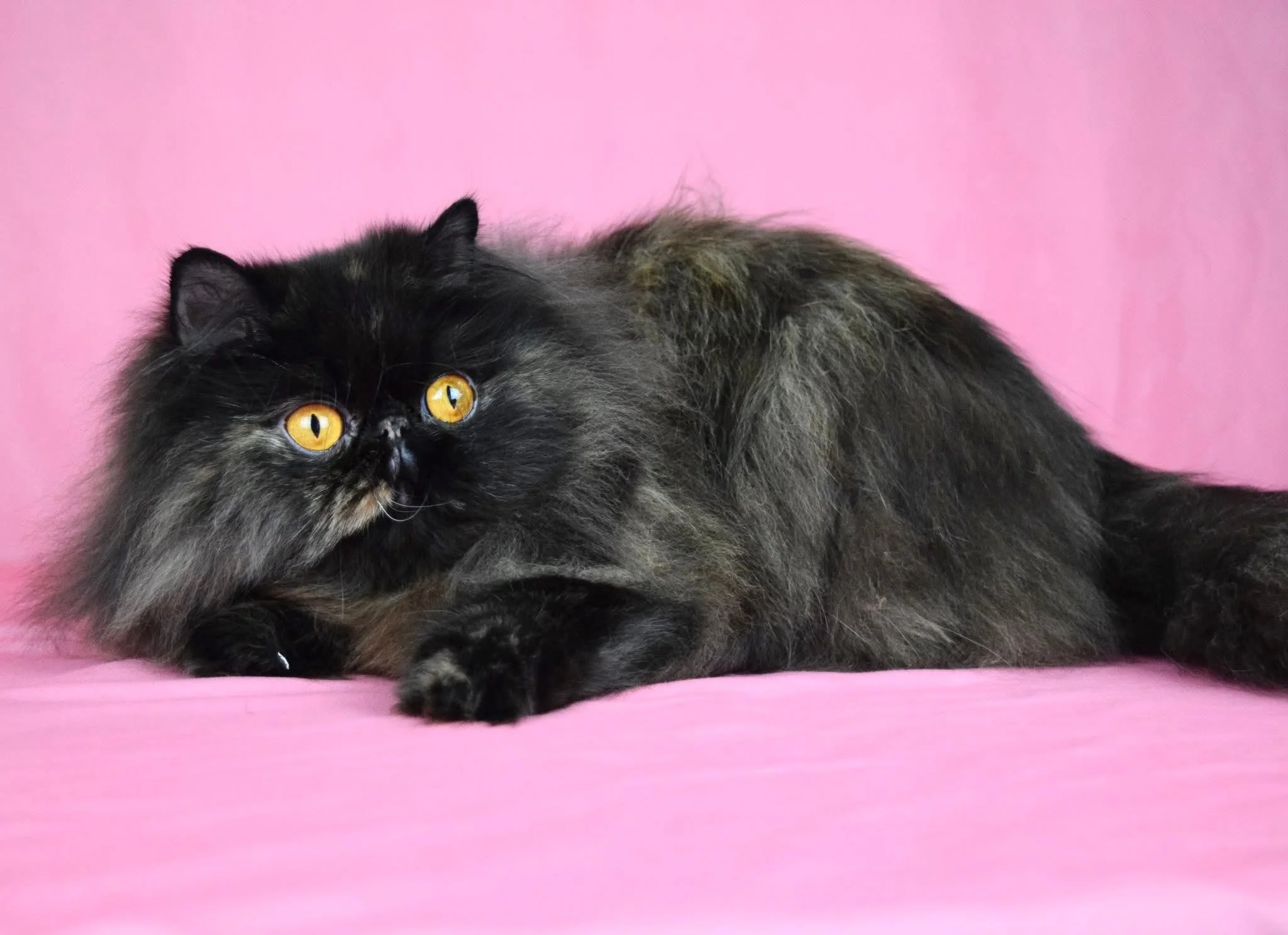
OONA OF BOUJEE PAW
-
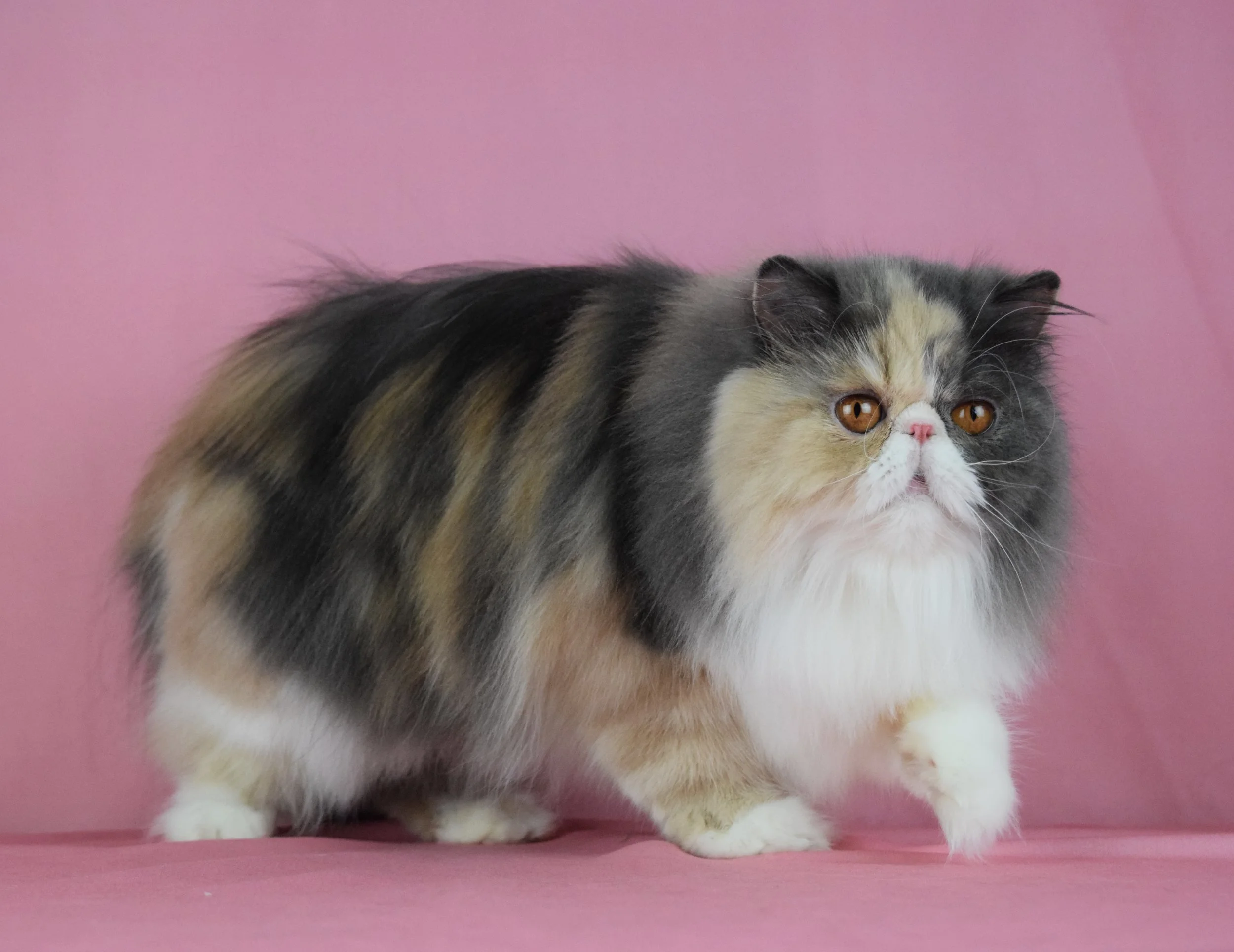
CH CAT&CASHMERE PEACHES OF BOUJEE PAW
-
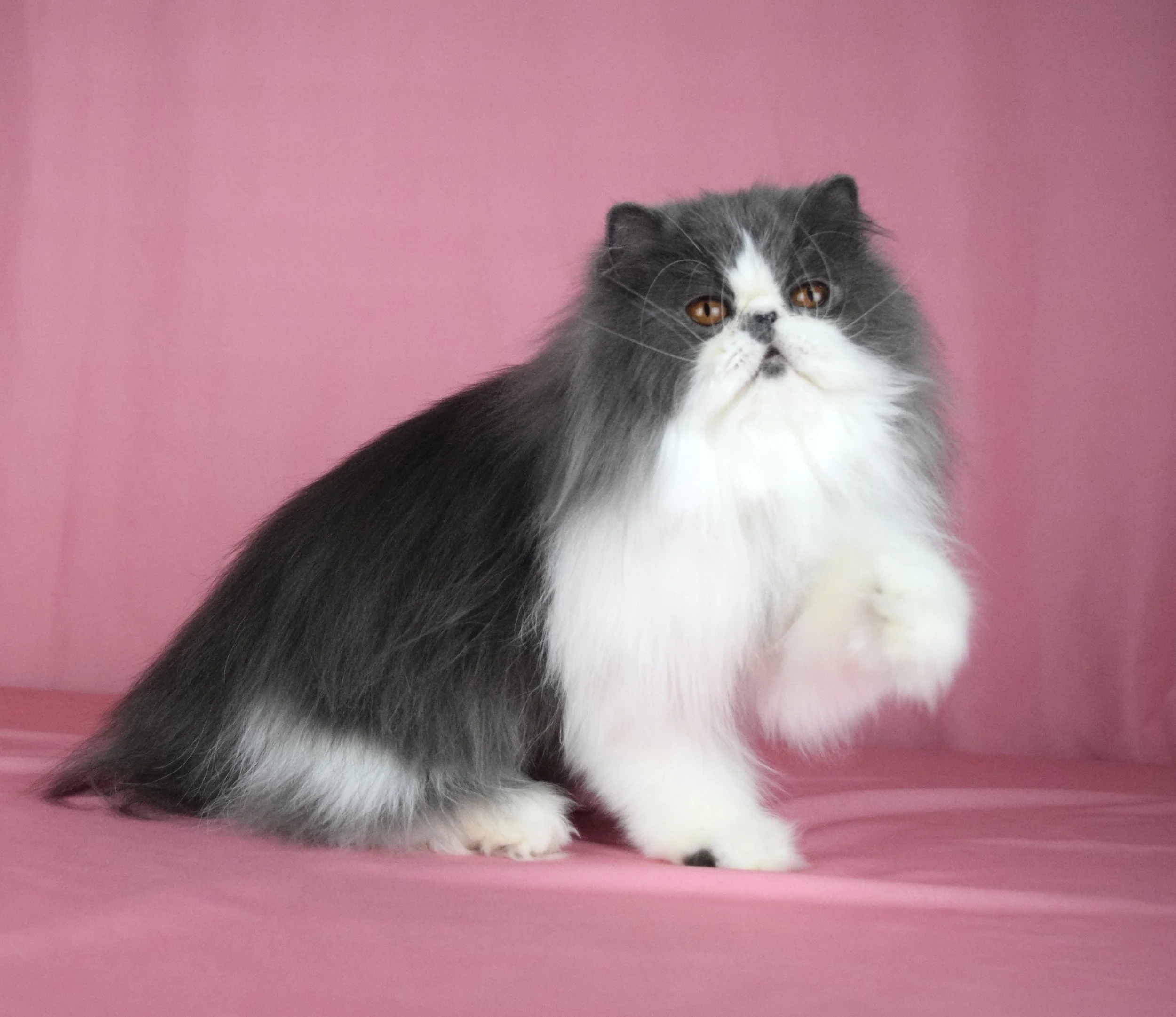
CAT&CASHMERE JEWEL OF BOUJEE PAW
-
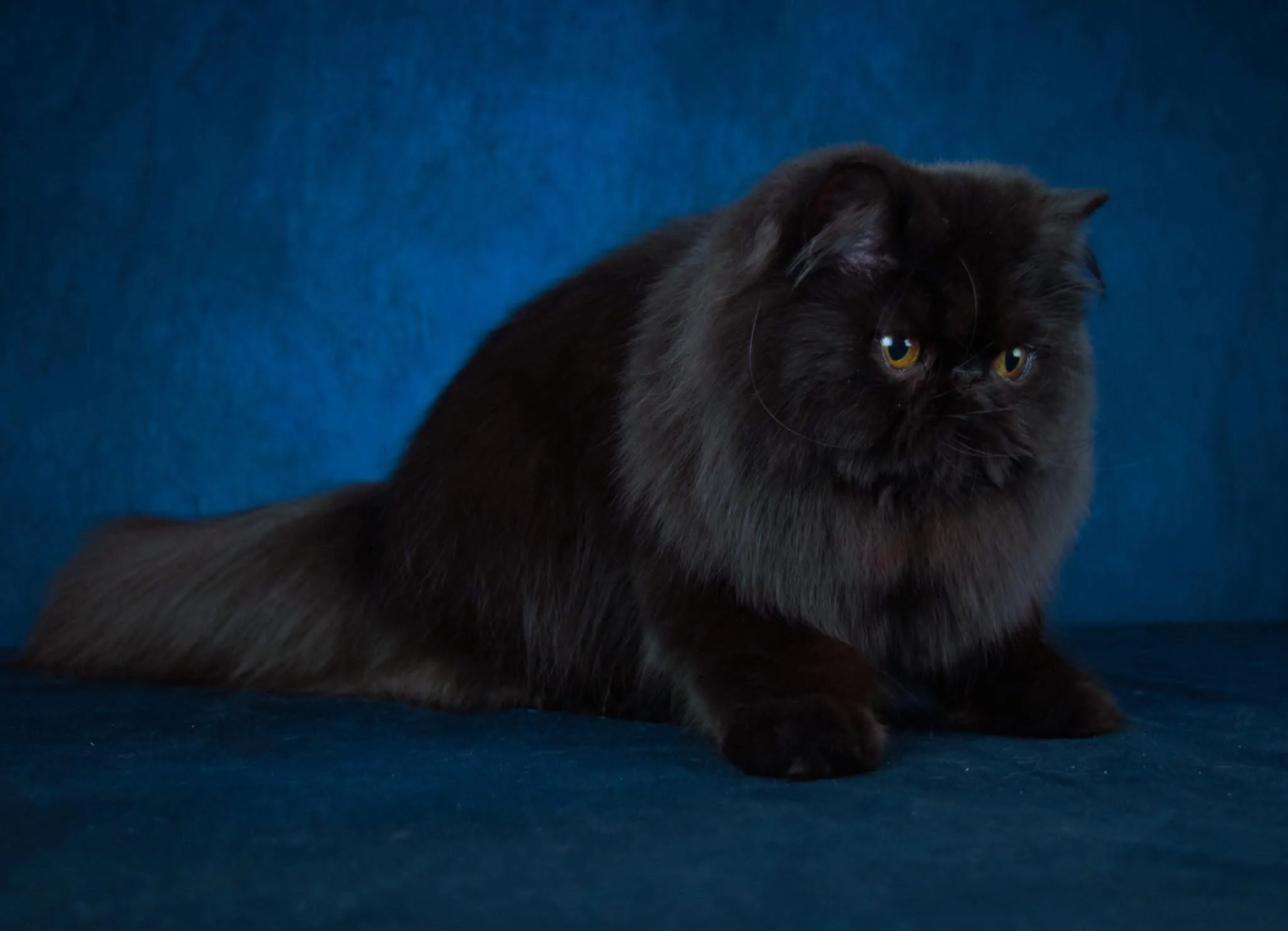
BOUJEE PAW COSMIC CREEPERS
-
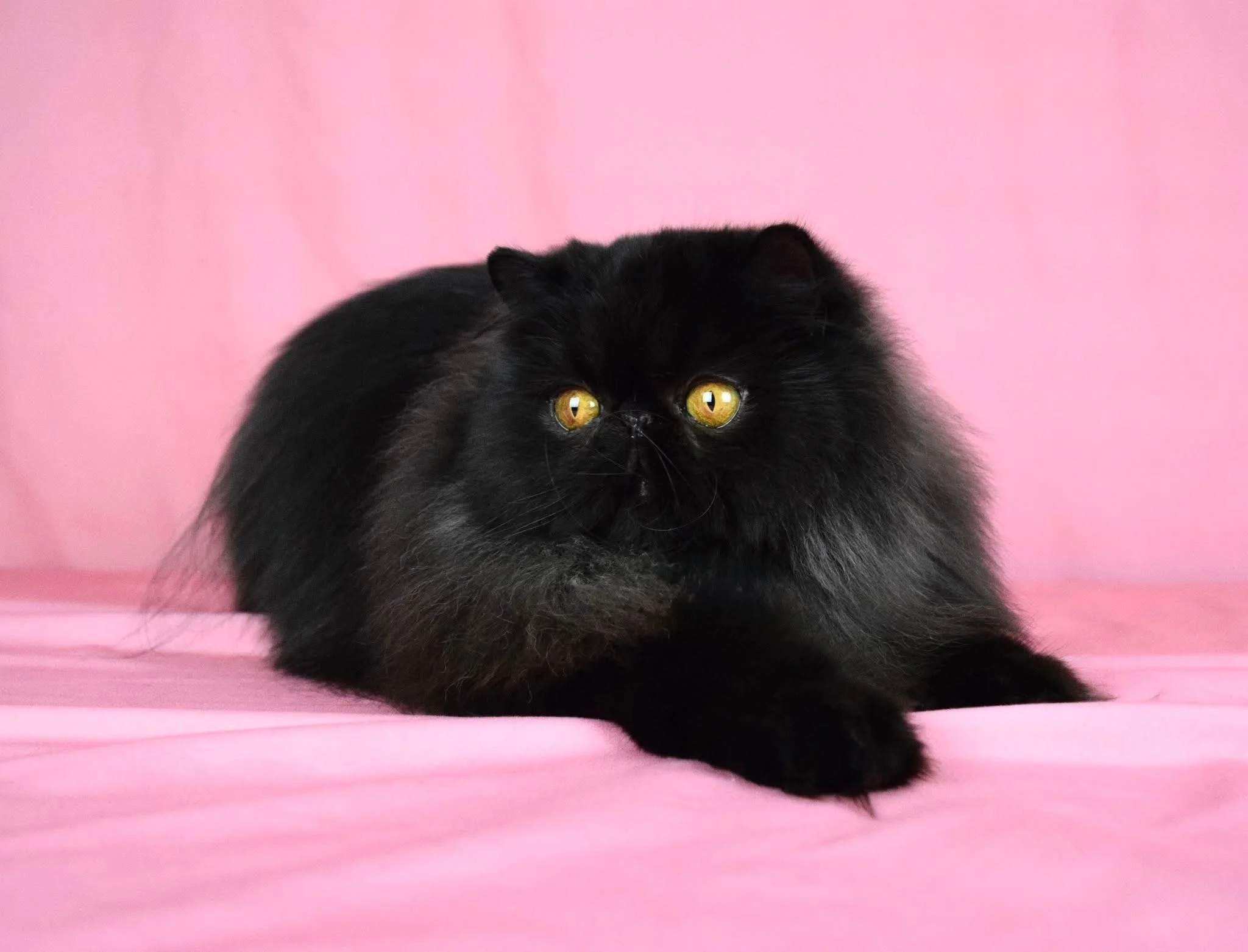
BOUJEE PAW THE MARVELOUS MRS MAVIS
-
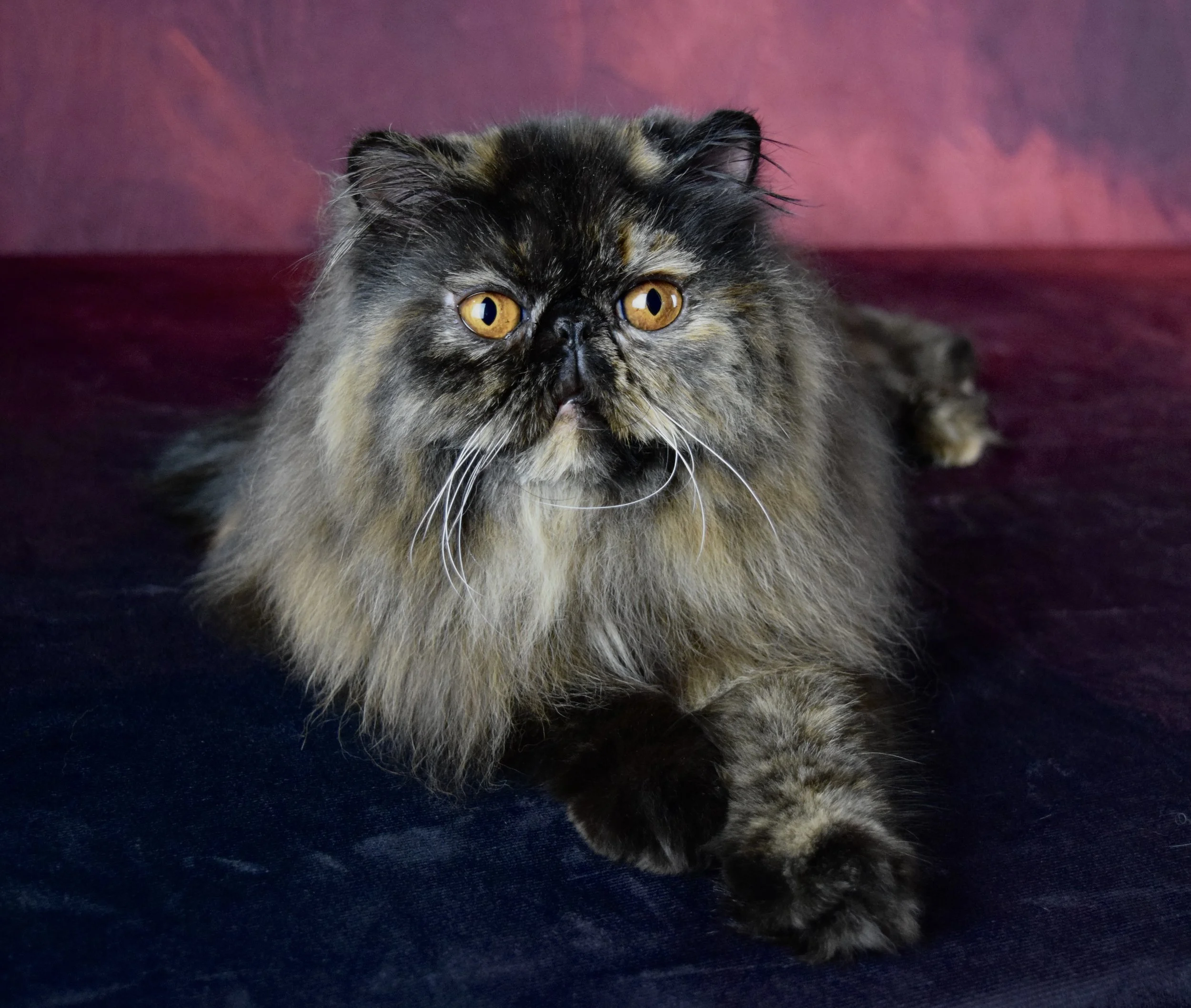
CH BOUJEE PAW MA BELLE EVANGELINE
-
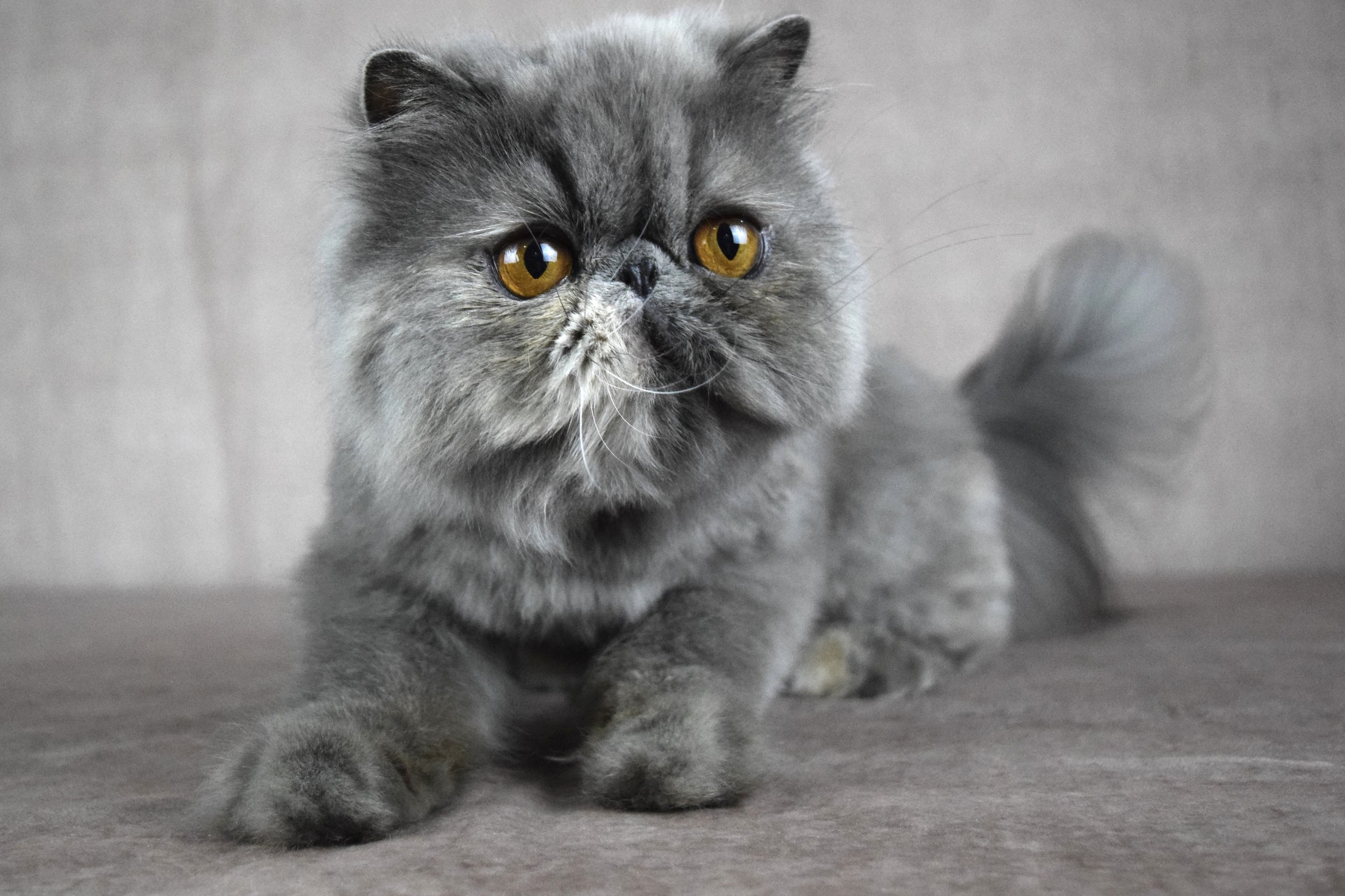
CH TAKETHE MOON ANISE OF BOUJEE PAW
-
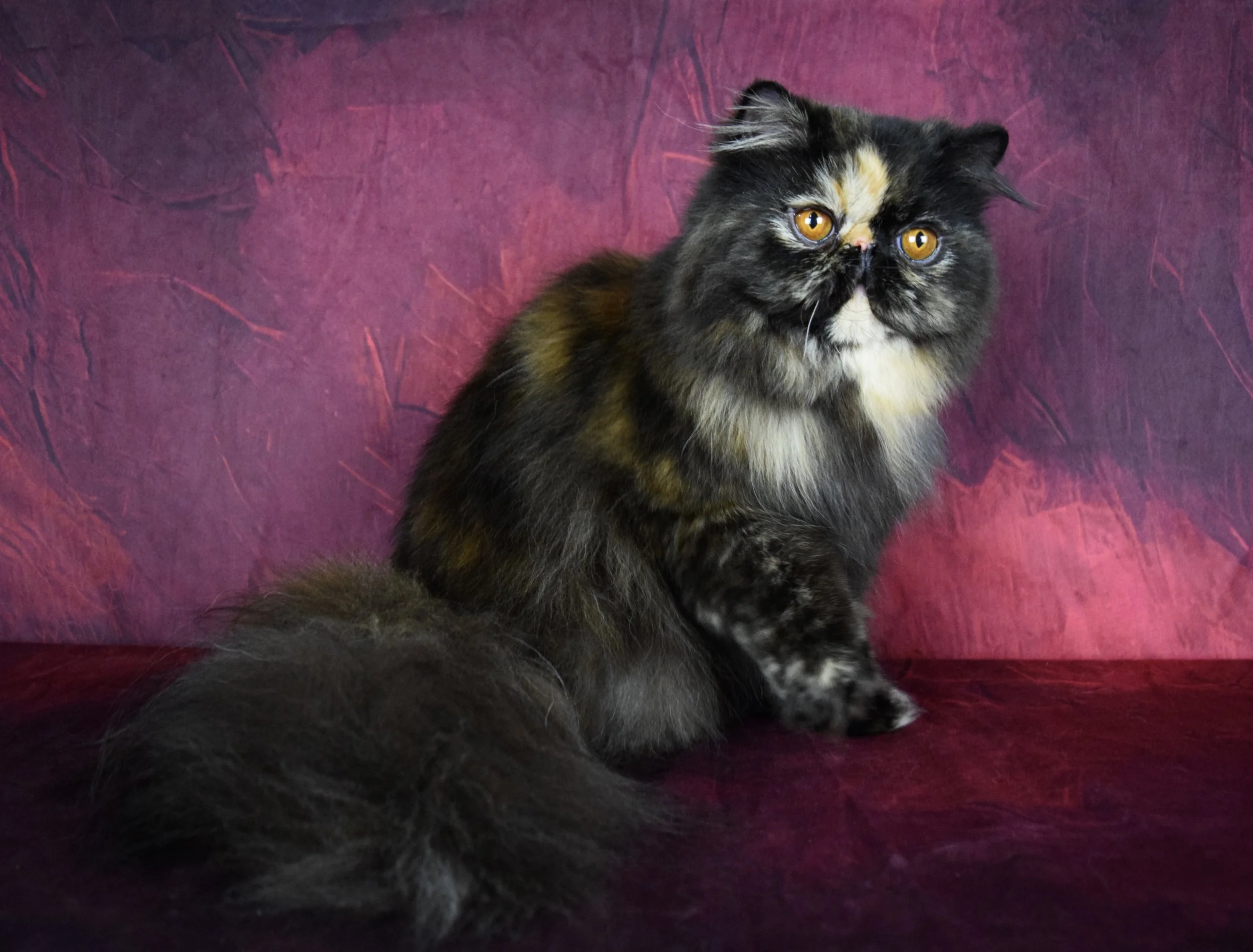
GC BOUJEE PAW CINNAMON CONFETTI
-
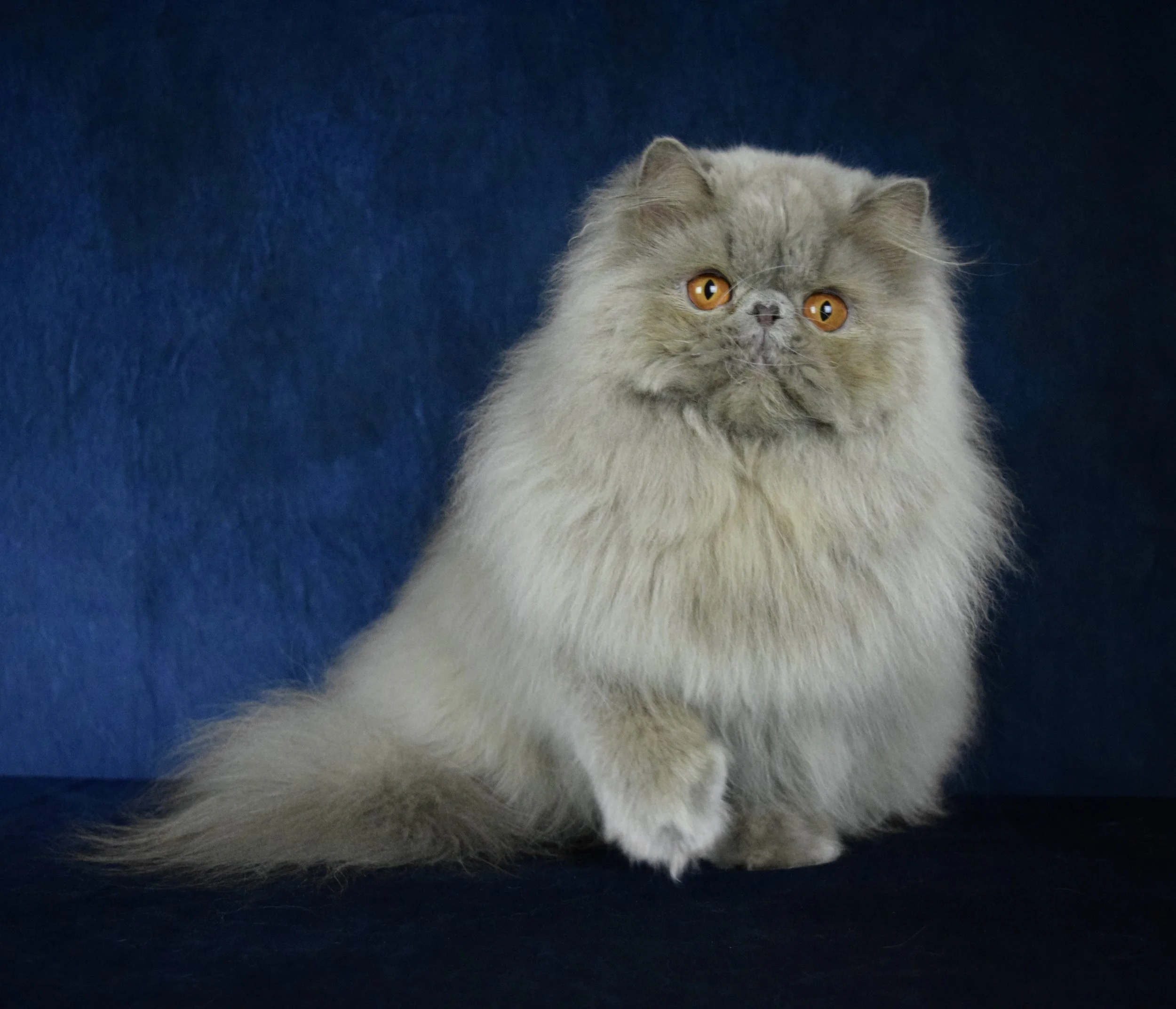
CH PATSQUATS MADAM MIM OF BOUJEE PAW
-
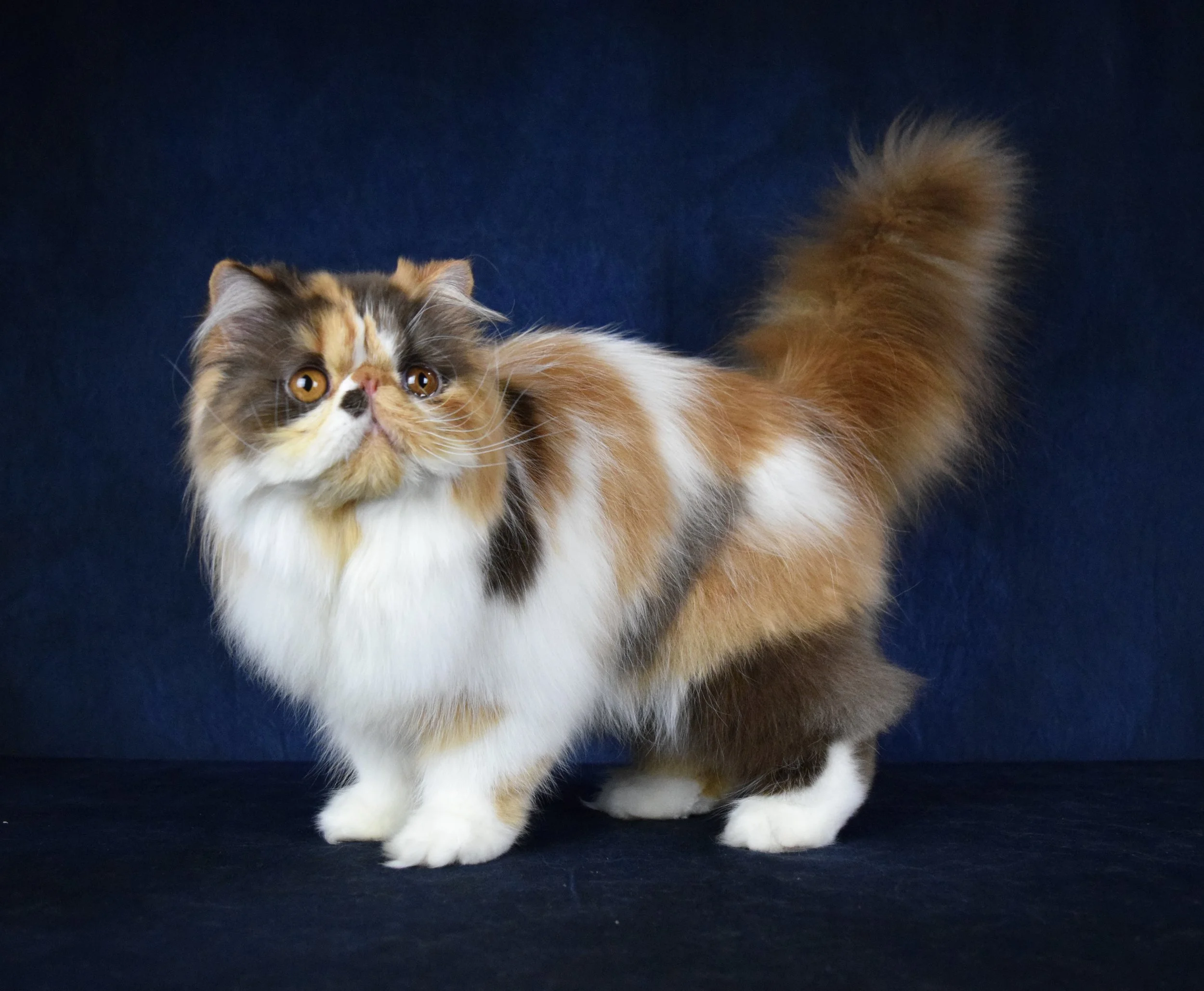
CH PATSQUATS BIT OF HONEY OF BOUJEE PAW
-
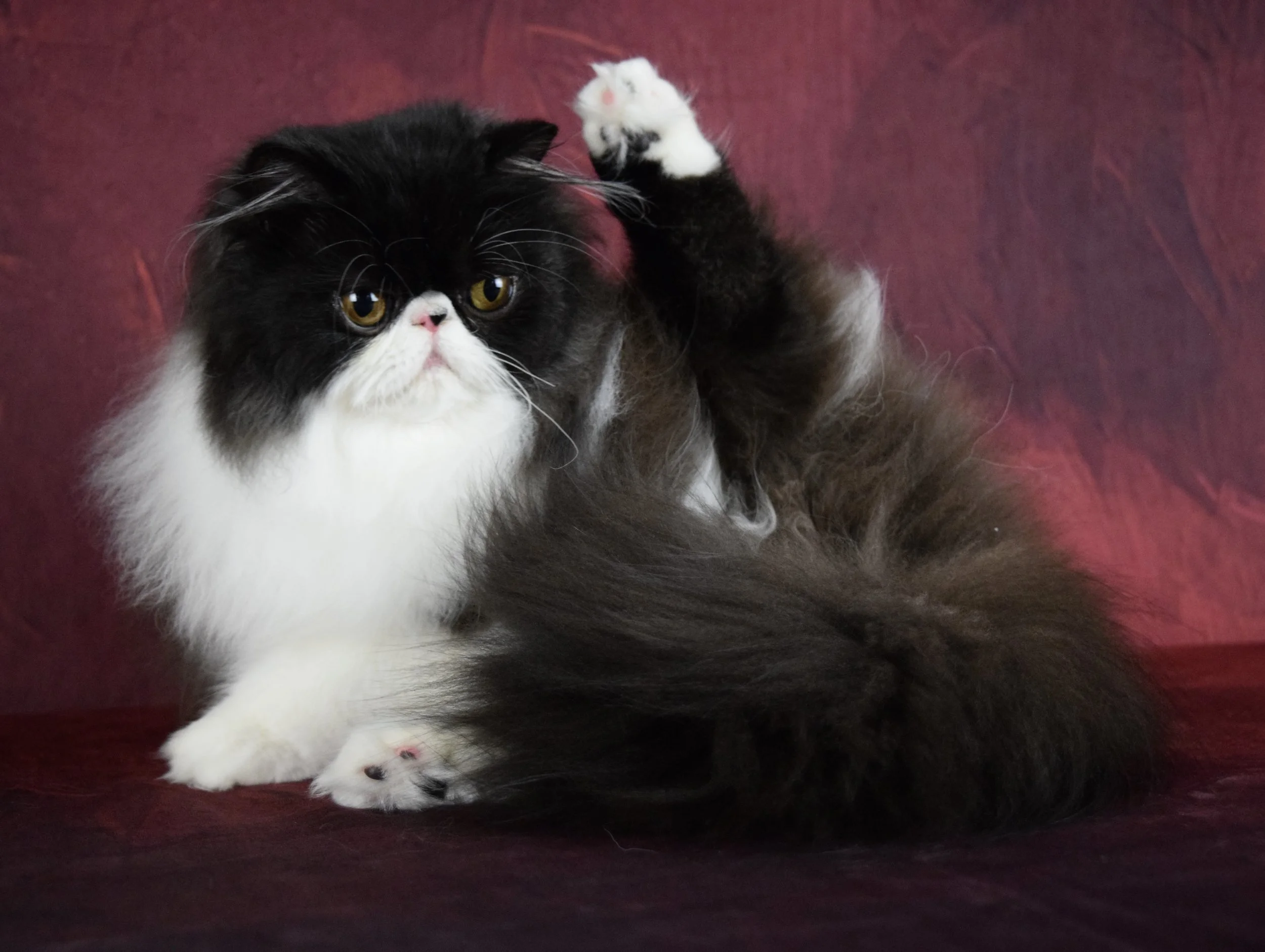
CH BOUJEE PAW POPPYLICIOUS
-
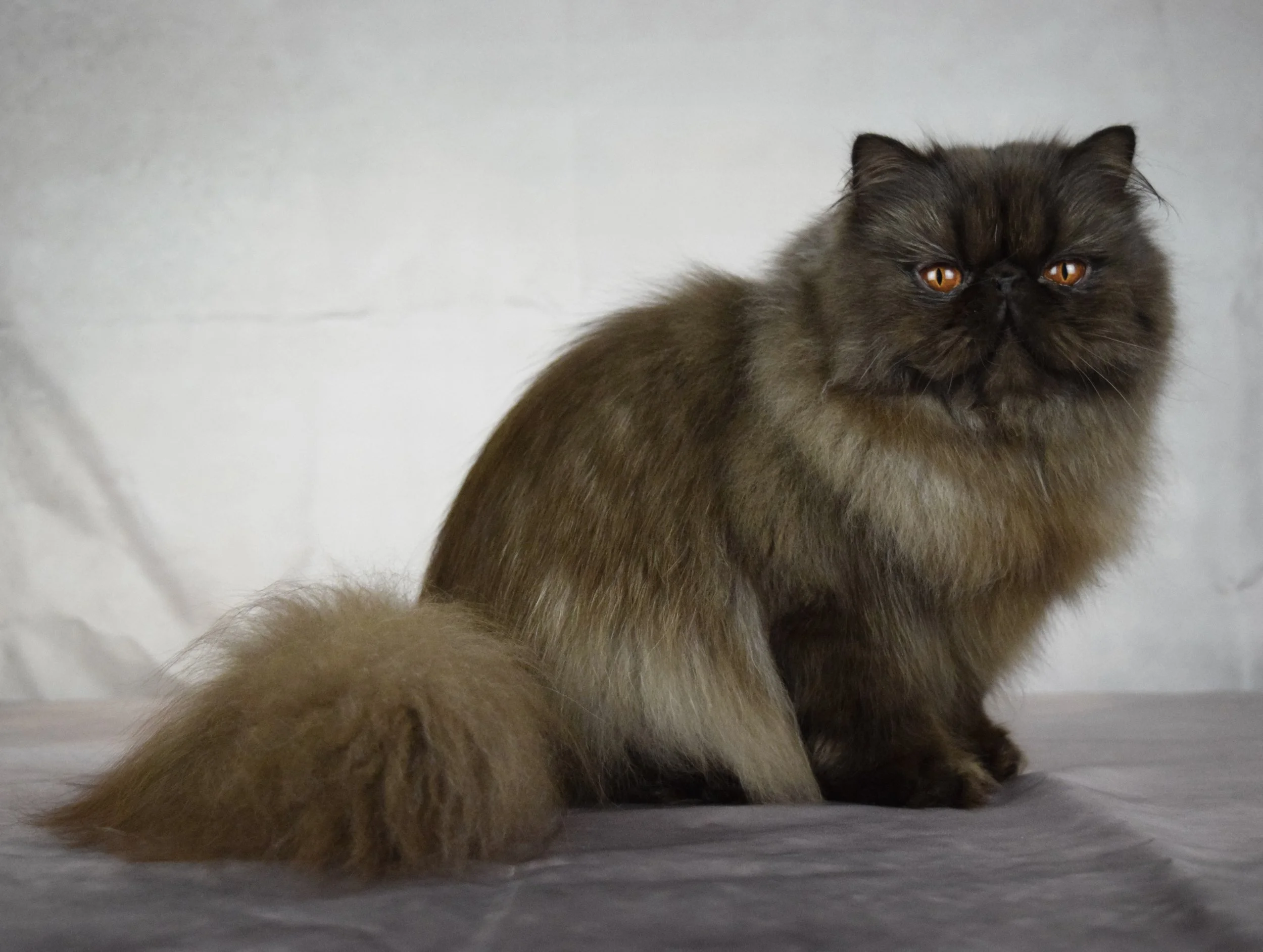
CH PATSQUATS PRALINE OF BOUJEE PAW
-
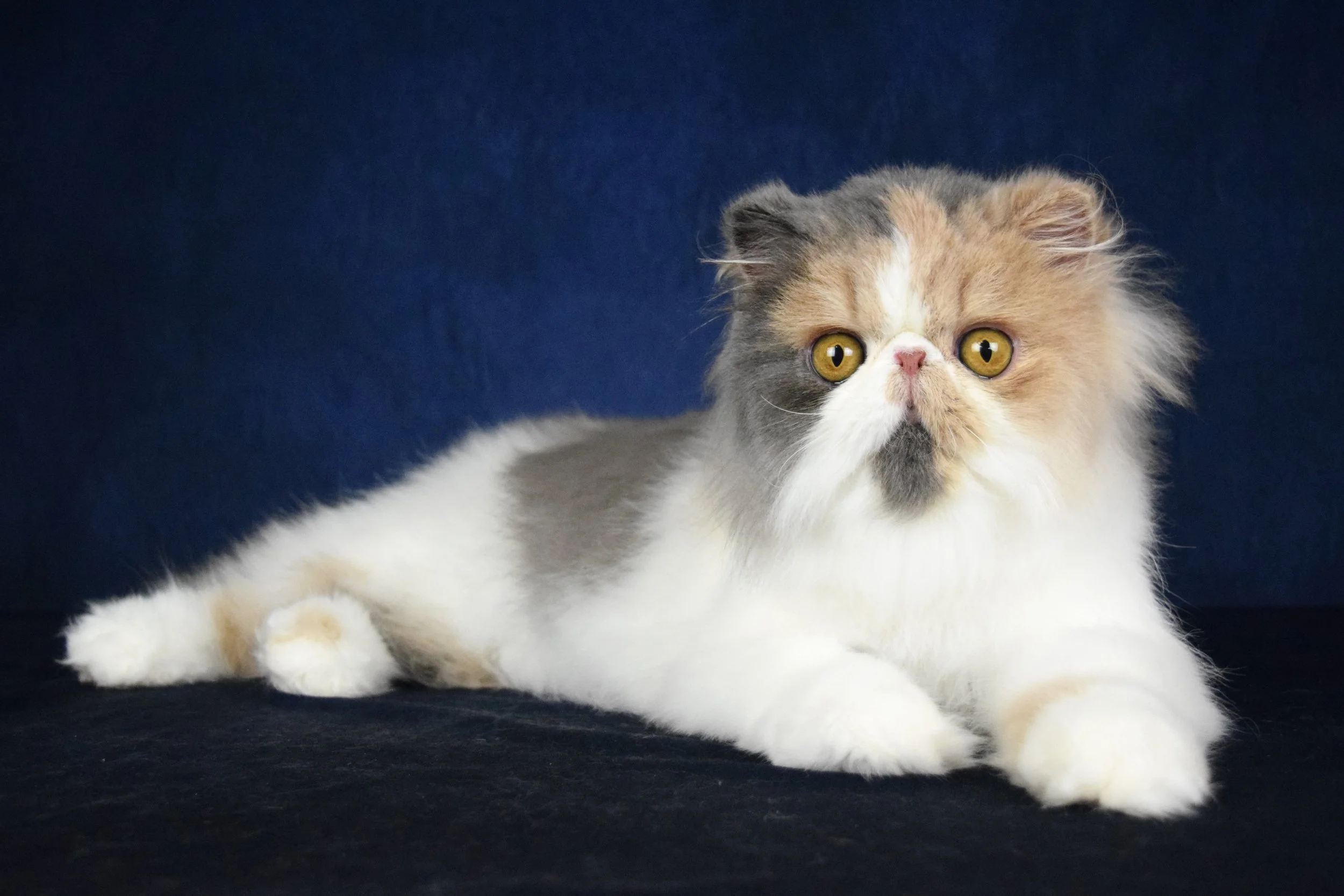
CAT&CASHMERE SHOWGIRL OF BOUJEE PAW
-
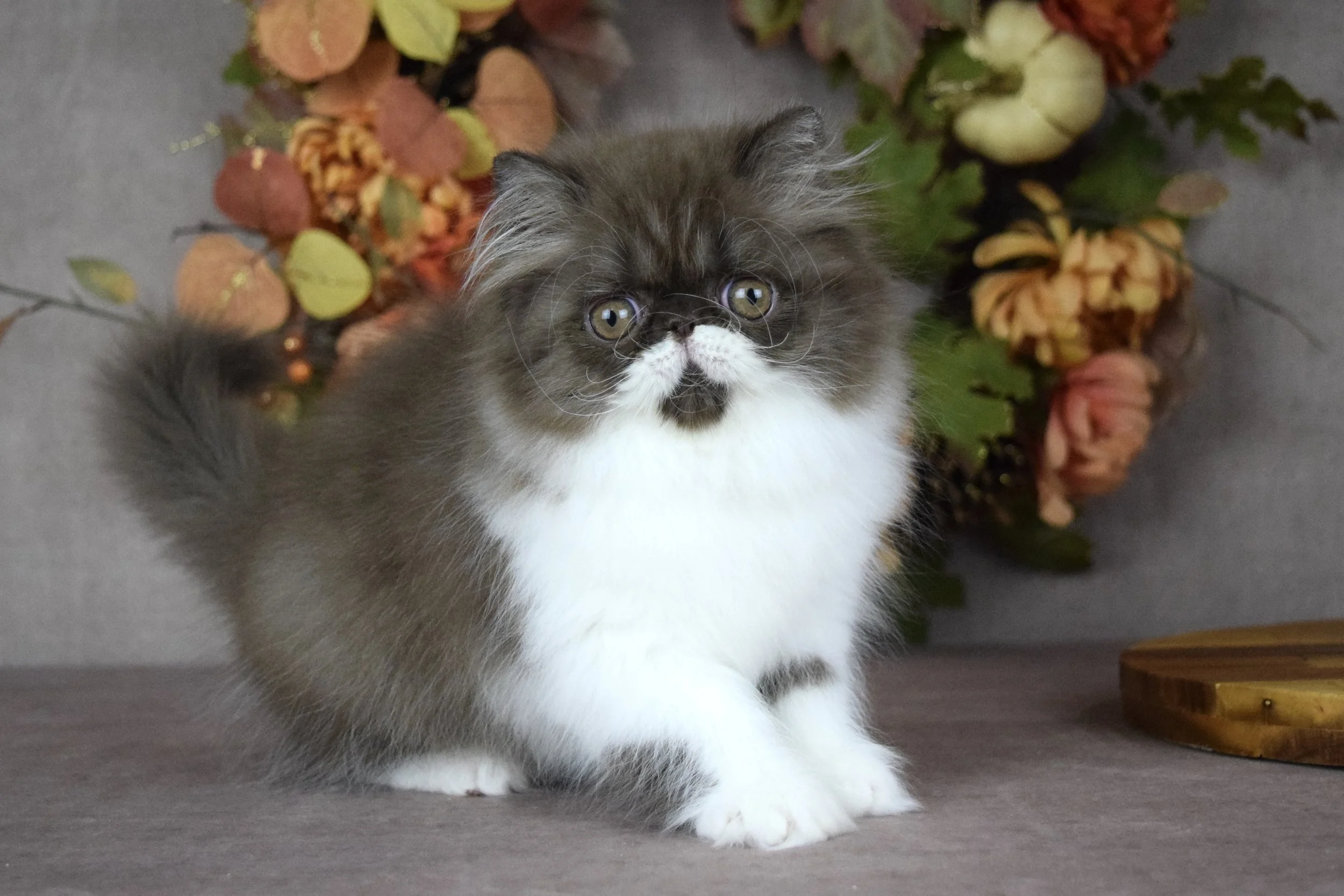
BOUJEE PAW SIMPLY IRRESISTIBLE
-
BOUJEE PAW MAGNOLIA MOON